
Build a balanced plate without chasing perfection
A flexible meal-planning approach can make varied eating easier than strict rules or one-size-fits-all diets.
In this article
01Start with variety02Make choices workable03Use guidance in context04Health information note05Sources and further readingStart with variety
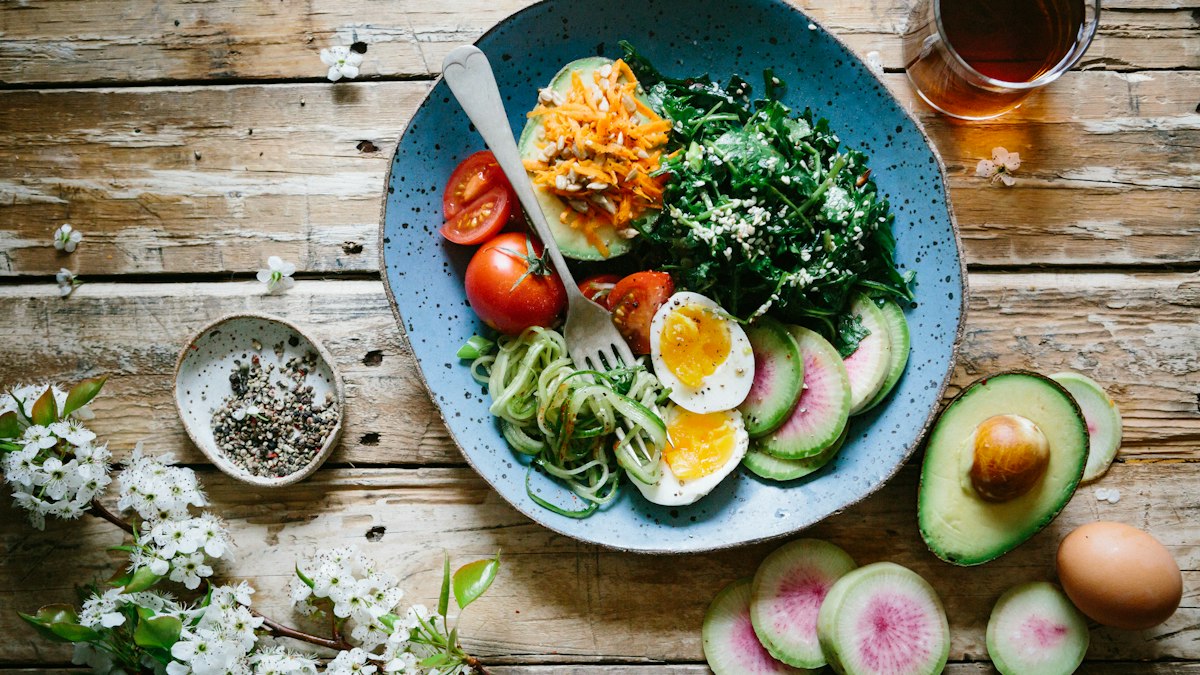
Healthy eating is a pattern, not a single meal or special ingredient. World Health Organization guidance emphasizes variety, balance, moderation and foods that are safe to eat. A practical starting point is to include different vegetables and fruits, staple grains or other carbohydrate foods, and protein sources across the week. The best mix depends on culture, budget, availability, age and individual needs.
Make choices workable
Try planning a few repeatable meals, keeping convenient basics on hand, and adding one new food at a time. Frozen, dried or canned produce can be useful options; check labels and preparation instructions where relevant. A meal does not need to look like a diagram to be nourishing, and preferences or access limitations are real factors rather than failures.
Use guidance in context
Nutrition advice can vary by country because food supplies, public-health priorities and customary diets differ. ICMR–National Institute of Nutrition’s Dietary Guidelines for Indians provide locally relevant examples for Indian readers, while WHO offers broad global principles. Neither source replaces individualized advice. People with a medical condition, special dietary requirement, or concerns about eating can discuss options with a qualified health professional.
Health information note
This article is general educational information, not a diagnosis or a substitute for advice from a qualified health professional.
Sources and further reading
Updated Oct 31, 2026